In Masinga ward, Machakos County, the nearest reliable water source was 6.4 kilometres from the village centre. We know this because we measured it. For the girls of Masinga, this distance was not a statistic. It was a daily negotiation between education and survival.
Before the borehole, a girl in Masinga woke at four in the morning to begin a round trip that took between two and three hours, depending on the queue at the source. By the time she arrived at school, if she arrived at all, she was exhausted, often hungry, and had already missed the morning's first lesson.
School attendance for girls in Standard 4 through Standard 8 at Masinga Primary stood at 61%, fourteen percentage points below the boys in the same classes. The headteacher, Ms. Cynthia Muli, had been flagging this disparity in her quarterly reports for four years. Nothing changed.
The Borehole Project
In partnership with a water and sanitation NGO and a diaspora giving circle based in the UK, Ulimbwende co-funded the drilling and casing of a borehole 400 metres from the school compound. The project took eight months from feasibility study to inauguration. It cost KES 1.4 million.
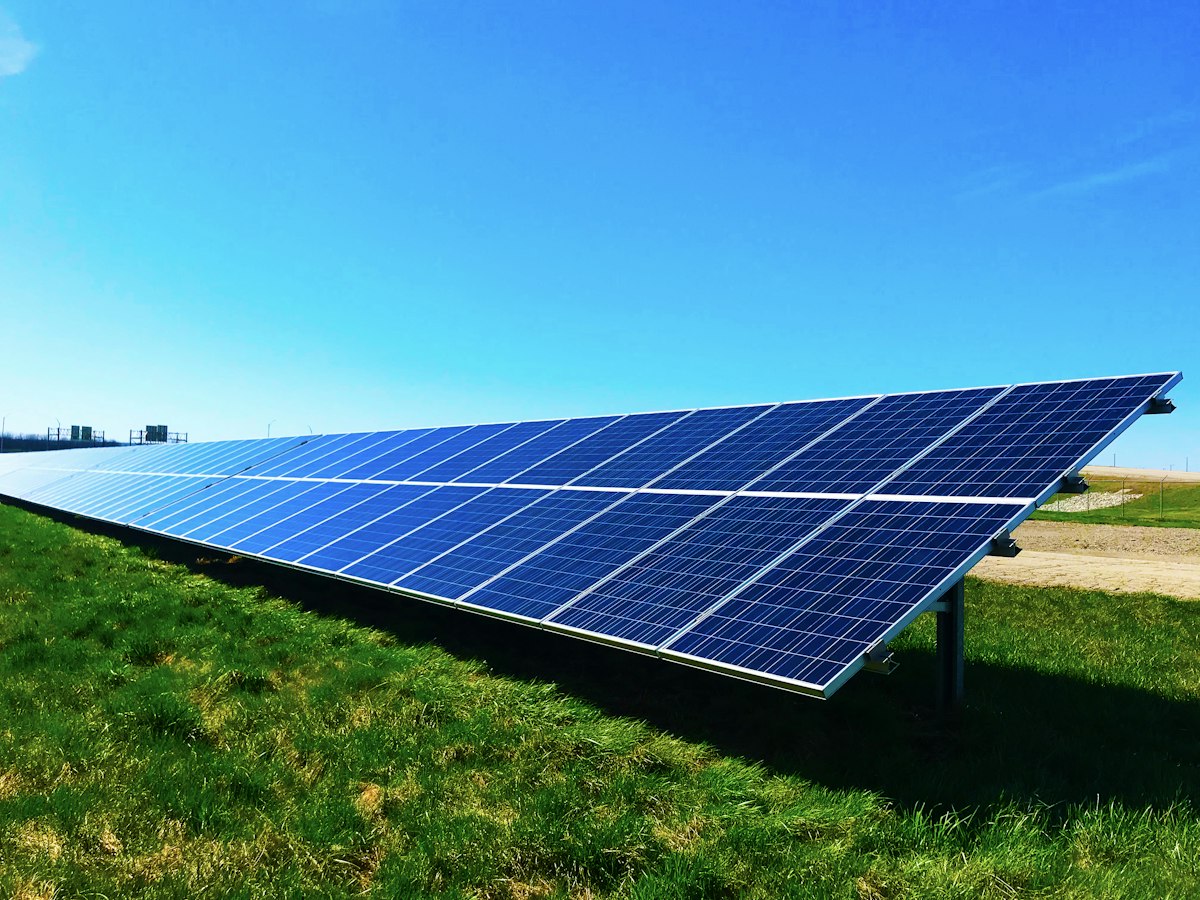
The borehole has a solar-powered pump, a 5,000-litre storage tank, and a simple payment system. Households contribute KES 2 per 20-litre jerrycan, which covers pump maintenance and a small reserve fund managed by a community water committee. The committee has three women and two men, elected by households at a public meeting.
What Changed and What Did Not
One term after the borehole was commissioned, girls' attendance at Masinga Primary had risen to 79%. Two terms in, it sat at 83%, within two percentage points of the boys. Ms. Muli sent us a WhatsApp voice note when she calculated this. She was laughing and crying at the same time.
But water did not solve everything. Girls who had been out of the routine for years needed academic support to catch up. Three girls who had dropped out entirely did not return. The reasons were more complex than water distance, involving early marriage and economic pressure that the borehole alone could not address.
We say this not to diminish what was achieved, but because development work that only announces wins is not telling the full story. The borehole was necessary. It was not sufficient. Understanding the difference is how we figure out what to do next.
Replicating the Model
We are currently in the feasibility assessment phase for two more borehole projects, one in Kibwezi West and one in Mwingi North. If you are a donor or a funder interested in clean water as an education intervention, the evidence from Masinga is available on request. So is a cup of tea, if you would like to hear Cynthia tell the story herself.
This is such an important story. Thank you for sharing the work you are doing on the ground.